ABS Unveils Rules for Floating Nuclear Power Plants
October 14, 2024
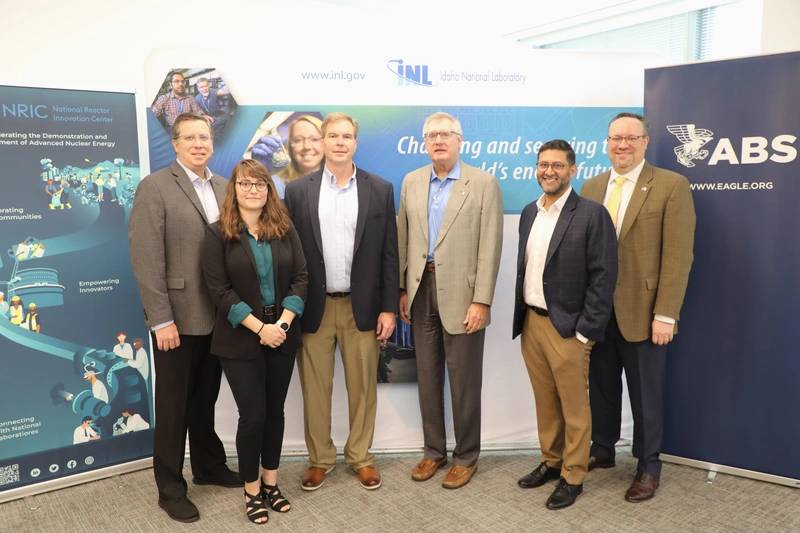
The industry’s first comprehensive rules for floating nuclear power plants have been unveiled by American Bureau of Shipping (ABS) at a forum for nuclear industry leaders held jointly with Idaho National Laboratory (INL).
Held at ABS’ world headquarters in Texas, the event saw presentations on the latest reactor technologies from leading companies and publication of a detailed study from ABS and Herbert Engineering modeling the design, operation and emissions of a floating nuclear power plant.
“We demonstrated today that nuclear’s potential in the maritime domain is so much more than a reactor on a ship. Nuclear energy can link energy demands across the electric, industrial and shipping transportation sectors to optimize energy generation and use, maintain grid reliability and support decarbonization of shipping and industry. Not to mention its vast potential for the production of clean fuels such as e-ammonia and e-hydrogen,” said Christopher J. Wiernicki, ABS Chairman and CEO.
“It is clear that nuclear energy has the potential to be a disruptor for the maritime industry. This is why we are proud to produce the first comprehensive rule set for the industry as an important step forward for the adoption of the technology.”
The ABS Requirements for Nuclear Power Systems for Marine and Offshore Applications, provides the first classification notation for nuclear power service assets such as floating nuclear power plants or nuclear-powered floating production, offloading and storage units. Uniquely, the requirements allow designers to consider any type of reactor technology and propose a framework for nuclear regulators to collaborate with Flag administrations and ABS for complete regulatory oversight and license.
The regulatory landscape around nuclear power plants was another key feature of the event, followed by workshops with offshore industry leaders to explore their requirements and understand operational challenges floating nuclear power plant technology will have to overcome.
“This is an exciting time for nuclear energy. Idaho National Laboratory is growing and working with industry partners like ABS to test and demonstrate advanced reactor technologies,” said Brad Tomer, COO of the National Reactor Innovation Center headquartered at INL. “Collaboration and discussions like these will be critical as we move forward in delivering the low-carbon, affordable and reliable power that nuclear energy provides.”