DNV-Led Floating Wind Substations Standardization Project Enters Second Phase
October 15, 2024
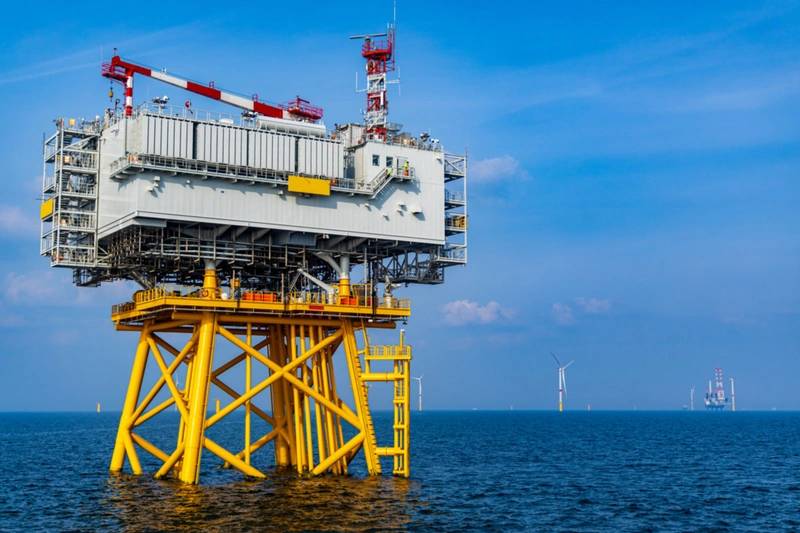
Certification body DNV has launched the second phase of its floating substation joint industry project (JIP), which aims to establish standards for offshore substations in the growing floating wind sector.
The new phase will play a key role in refining guidelines and closing technology gaps, with participation now expanding to 19 leading industry players.
The first phase of this collaborative effort had already united a broad range of stakeholders, including transmission operators, developers, component suppliers, EPC contractors, and yards, to address the unique challenges of floating offshore substations.
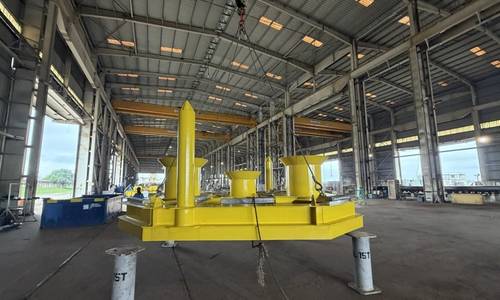
Offshore substations are essential to the expansion of floating offshore wind, serving as hubs that connect multiple turbines and deliver renewable energy to the grid.
However, designing and implementing these substations presents distinct challenges, such as the need for high-voltage dynamic cables and electrical systems that can withstand the movements of floating structures. By addressing the technological and regulatory gaps, the JIP aims to support the wind industry in achieving its full potential and advancing the global energy transition.
The second phase of the JIP will concentrate on critical components such as high voltage equipment, dynamic cables, and the broader aspects of marine systems and operations. These efforts are crucial for updating DNV-ST-0145, the world's first standard applicable to floating substations.
The initiative boasts the involvement of major industry players, including ABB, Aibel, Atlantique Offshore Energy, CSEPDI, EDF Renouvelables, GE, Vernova, Hitachi Energy, IV & Nevesbu, Navantia Seanergies, Orient Cable, Ramboll, Red Eléctrica, RTE, Seatrium, Statnett, TotalEnergies, COP, Iberdrola/Scottish Power, and Saipem.
DNV has invited additional stakeholders to join the initiative, as there are still opportunities for industry leaders, innovators, and experts to contribute to shaping the future of floating wind technology by helping refine crucial standards.
“Updating DNV-ST-0145 to include floating substations will enhance the scalability of floating wind technology and reduce associated risks. This update highlights our commitment to advancing floating wind energy and drive renewable innovation.
“The Floating Substation JIP, supported by extensive internal collaboration throughout DNV and external partnerships with major industry leaders, underscores the project’s global impact and our commitment to delivering robust, comprehensive and scalable solutions for the energy transition,” said Kim Sandgaard-Mørk, Executive Vice President for Renewables Certification at DNV.