Oil Surges to Four-Week High as US-Iran Trade Blows
July 14, 2026
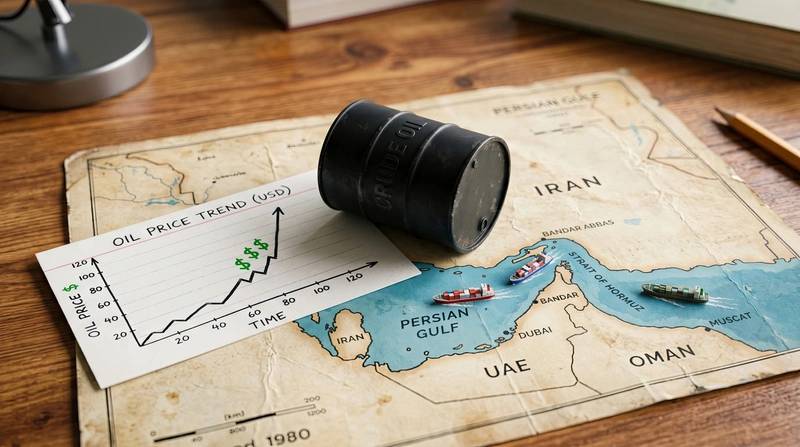
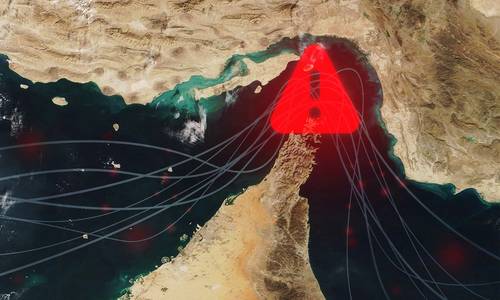
Oil prices rose on Tuesday to their highest in four weeks, as the U.S. reimposed a naval blockade of Iran and renewed attacks between Washington and Tehran heightened concerns over energy flows through the Strait of Hormuz.
Brent crude futures LCOc1 were up $2.74, or 3.29%, at $86.04 per barrel at 0751 GMT, while U.S. West Texas Intermediate crude CLc1 rose $2.21, or 2.83%, to $80.35 a barrel.
Brent crude rose to its highest since June 12 and WTI to its highest since June 16. The United States and Iran signed a memorandum of understanding to end the conflict on June 17.
"Despite signing the memorandum of understanding and having a deal, this did not last for even a few weeks. So that's the concern the market is trying to price right now," said ANZ analyst Soni Kumari.
"What we think is that the peak of the escalation is behind us, but there are upside risks to oil prices if these disruptions continue and that will keep prices in the $85-$90 range."
Hostilities between the United States and Iran intensified this week, as U.S. President Donald Trump reinstated a blockade of Iranian shipping and proposed charging a 20% fee to guard the Strait of Hormuz.
The waterway is a critical artery for global energy trade, carrying about a fifth of the world's daily oil and liquefied natural gas supplies before the conflict began.
Amid the strikes, two United Arab Emirates tankers were hit by two Iranian cruise missiles in the southern lane of the Strait of Hormuz in Omani territorial waters, the UAE Ministry of Defence said on Monday, killing one Indian crew member and wounding eight others.
Shipping data on Monday also showed the number of tankers transiting the Strait of Hormuz fell in the past day to the lowest level in two months.
Citi said in a note that the possibility of the Iranian regime walking away from the memorandum of understating until after the U.S. mid-term elections has also risen, a scenario which would most likely see higher for longer oil prices.
However, Iran's oil exports are continuing as usual despite the cancellation last week of a 60-day waiver of U.S. oil sanctions, oil minister Mohsen Paknejad said on his official Telegram account.
Elsewhere, Yemen's Houthi movement fired missiles at Saudi Arabia after accusing the kingdom of bombing an airport under its control on Monday.
"If the Houthis extend their attacks to Saudi's crude products in the Red Sea, it could put (further) uncertainties on crude flows from the region," Simon Wong, a portfolio manager at Gabelli Funds, said in a note.
Meanwhile, China's June crude imports slumped 41.3% to their lowest in almost a decade as refinery run rates hit a 10-year low due to weak domestic demand and export curbs on refined oil products to safeguard energy security amid the Iran war.
(Reuters - Reporting by Anushree Mukherjee and Ishaan Arora in Bengaluru and Emily Chow in Singapore; Editing by Jamie Freed and Susan Fenton)