Precision Shaft Alignment: A Sustainable Advantage in Modern Engineering
February 10, 2026
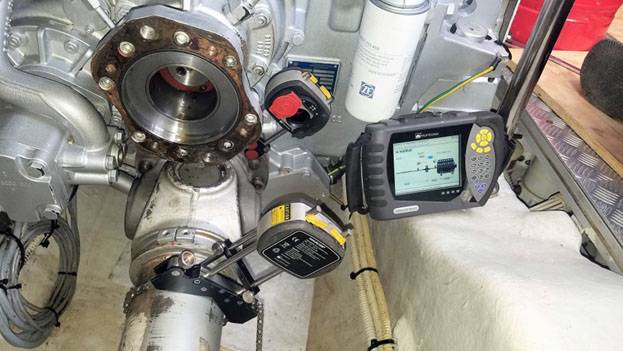
Sustainability has become a defining priority across industrial and maritime operations. While much of the discussion centers on alternative fuels and emerging technologies, one of the most immediate and cost-effective opportunities to reduce energy consumption and emissions is often overlooked: precision shaft alignment.
AME sees firsthand how precision shaft alignment services improve equipment reliability, reduce vibration, and support long-term sustainability across both marine and industrial environments.
The Hidden Energy Fee of Shaft Misalignment
Misalignment in rotating equipment, including pumps, compressors, motors, gearboxes, and marine propulsion systems creates a significant but often invisible energy tariff. When shafts are not properly aligned, excessive forces are introduced into bearings, couplings, and seals.
This leads to:
- Increased friction and vibration
- Elevated operating temperatures
- Higher power or fuel consumption
- Accelerated component wear
In both industrial shaft alignment and maritime shaft alignment applications, even minor misalignment can result in increased energy draw, reduced efficiency, and unplanned downtime. Over time, these inefficiencies compound, driving higher operating costs, repair costs and increased CO2 emissions.
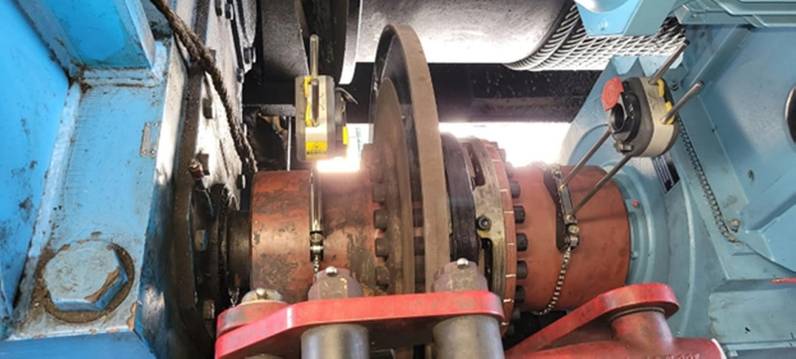 Image courtesy AME
How Precision and Laser Shaft Alignment Reduce Energy Use and Emissions
Precision shaft alignment, particularly when performed using laser shaft alignment services, eliminates unnecessary mechanical resistance and allows equipment to operate at its designed efficiency.
When rotating equipment is aligned to tight tolerances:
- Friction and vibration are minimized
- Bearing, seal, and coupling loads are reduced
- Driven machinery requires less power to operate at rated specifications
- Equipment reliability and service life are improved
For marine vessels, proper marine driveline alignment and propeller shaft alignment lead to measurable fuel efficiency gains and reduced emissions. In industrial facilities, precision alignment lowers electrical demand and supports more sustainable operations.
As a result, vibration analysis and precision alignment function not only as reliability tools, but as direct sustainability initiatives.
Precision Alignment and Environmental Regulations
Environmental regulations continue to drive efficiency improvements across global industries. In the maritime sector, the International Maritime Organization (IMO) has introduced standards such as the Energy Efficiency Existing Ship Index (EEXI) and the Carbon Intensity Indicator (CII), increasing the focus on reducing CO2 emissions through improved operational performance.
While these regulations are fuel and emissions-based, marine laser alignment and vibration analysis services play a critical supporting role. Properly aligned propulsion and auxiliary systems reduce baseline fuel consumption, helping vessel operators meet regulatory targets without major capital investment.
Optimizing existing assets through marine shaft alignment services also extends equipment life, reduces failure risk, and supports compliance by minimizing unnecessary replacements.
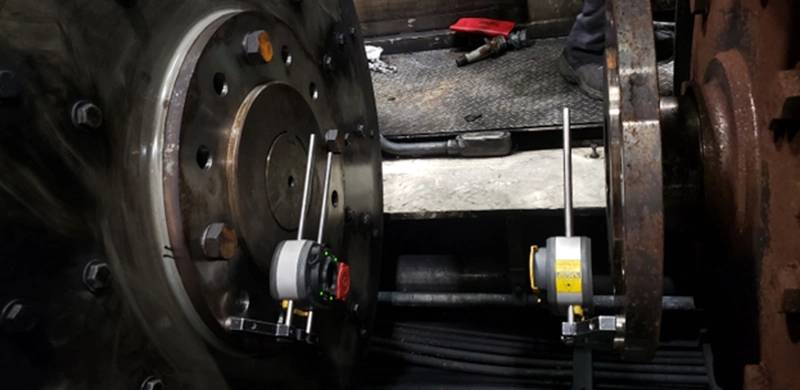 Image courtesy AME
Precision Alignment as a Sustainable Engineering Strategy
Sustainable engineering is not only about innovation, but also about eliminating inefficiency. Geometric measurement, shaft alignment, and vibration analysis address energy loss at its source by ensuring equipment operates exactly as designed.
Key sustainability benefits include:
- Reduced energy and fuel consumption
- Lower vibration-related failures
- Extended asset life
- Improved operational reliability
AME applies advanced precision shaft alignment, laser alignment, and 3D geometric measurement technologies across marine and industrial environments. These services help organizations reduce energy losses, improve reliability, and achieve long-term efficiency gains.
Conclusion: Precision Alignment for a More Sustainable Future
Precision shaft alignment is a powerful and practical tool for reducing energy consumption and emissions. By eliminating the hidden energy fee of misalignment, organizations can improve fuel efficiency, lower CO2 output, and meet evolving environmental standards—while simultaneously enhancing equipment performance and reliability.