Siemens Energy to Supply Power Generation, Gas Compression to Brazil FPSOs
August 10, 2026
Siemens Energy has been selected by SBM Offshore, a Dutch provider that manages floating oil production platforms, to supply power generation and gas compression systems for Petrobras.
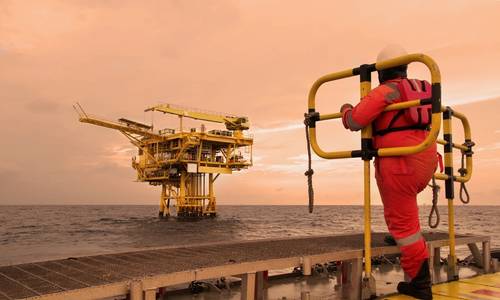
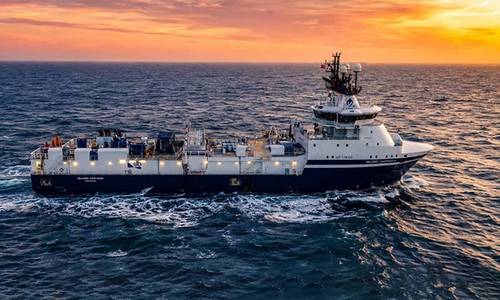
The equipment’s will be installed on the floating production, storage and offloading vessels (FPSOs) in the Sergipe-Alagoas basin, offshore Brazil. The solution will play a role in the operation of two platforms (P-81 and P-87).
The scope has been designed for the market's conditions, where reliability and compact design are critical. In total, Siemens Energy will supply 16 main modular systems (skids), eight for each platform, which combine the necessary equipment for power generation and gas compression solutions. For each FPSO, this package includes four gas turbine generators to supply electricity, three gas turbine-driven compressor trains for gas processing and export, and one electrically driven compressor for gas injection into the reservoir.
A majority of the equipment will be assembled at Siemens Energy’s industrial complex in Santa Bárbara d’Oeste city, in southeastern Brazil, meeting the project’s local content requirements. The facility has an extensive history in offshore applications, delivering more than 150 skids for oil and gas projects since 2012.
Through this project, approximately 400 direct and 500 indirect jobs will be created. The first solution package will be delivered to SBM Offshore by the end of 2027, with final deliveries scheduled throughout 2028.
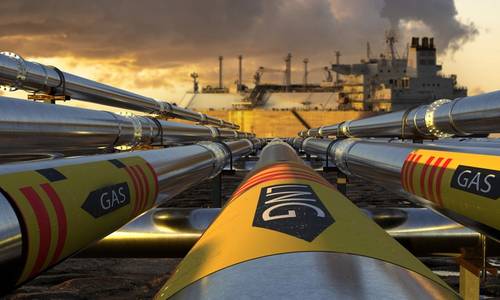
The Sergipe-Alagoas Deepwater basin (SEAP I and SEAP II) is considered one of the most important frontiers for oil and natural gas production in Brazil. Together, both platforms will have the capacity to produce up to 240,000 barrels of oil and process 22 million cubic meters of natural gas per day. Both FPSOs will be tied into a dedicated gas export pipeline, enabling the transfer of offshore-produced gas directly to onshore facilities. This setup allows associated gas to be channeled into Brazil’s domestic market, contributing to increased energy availability while reducing the need for offshore flaring and reinjection. Production is expected to start in 2030, with gas exports beginning in 2031.