US to Ease Venezuela Oil Sanctions to Speed Exports
January 28, 2026
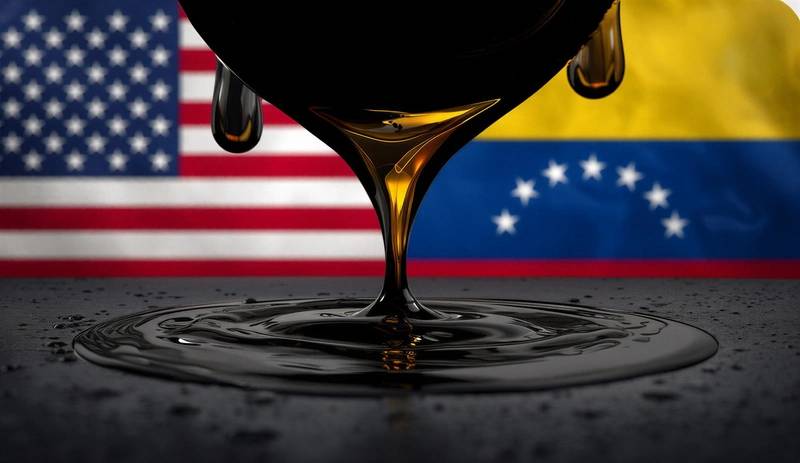
U.S. officials are working to issue a general license soon that would lift some sanctions on Venezuela's energy sector, four sources familiar with the preparation said on Tuesday, a shift from a previous plan to grant individual exemptions to sanctions for companies seeking to do business in the country.
Following the U.S. capture of Venezuelan President Nicolas Maduro earlier this month, U.S. officials have said Washington would ease sanctions imposed on Venezuela's energy industry to facilitate a $2 billion oil supply deal between Caracas and Washington and an ambitious $100 billion reconstruction plan for the country's oil industry.
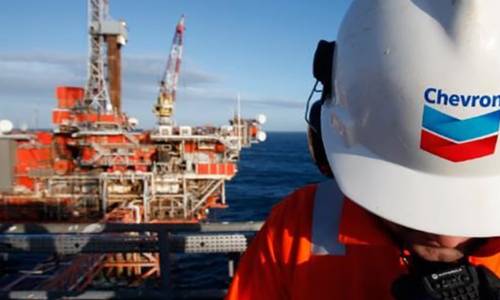
Many partners and customers of state oil company PDVSA, including producers Chevron, Repsol and ENI, refiner Reliance Industries, and some U.S. oil service providers, have applied for individual licenses in recent weeks to expand output or exports from the OPEC member.
The large number of individual requests to the U.S. government has delayed progress on plans to expand exports and get investment moving quickly into the country, two of the sources said.
The U.S. Treasury Department, the White House and Venezuela's oil ministry did not immediately reply to requests for comment.
Venezuela's entire energy industry was designated by the Treasury's Office of Foreign Assets Control as subject to U.S. sanctions in 2019 after Maduro's first re-election, which Washington did not recognize.
The sanctions have varied over the last seven years, depending on each U.S. administration, being modified through a series of executive orders and licenses exempting some producers and customers from the measures.
Under former U.S. President Joe Biden, a broad license exempted many companies from the sanctions, allowing them to export Venezuela's oil. That facilitated higher crude production and exports until the first quarter of last year, when President Donald Trump began his second term.
Trump's administration revoked the authorization as a way to put pressure on Maduro, and ordered the companies to wind down transactions. In December, he also ordered a blockade of all sanctioned vessels going in or out of the country, reducing Venezuela's oil exports to 500,000 barrels per day that month from 952,000 bpd in November.
Oil exports averaged 850,000 bpd last year, pushed up by higher crude production, according to PDVSA documents and ship tracking data. The state firm is now struggling to reverse output cuts it had to implement in early January after the U.S. blockade led to a massive accumulation of inventories.
U.S. licenses granted to trading houses Vitol and Trafigura this month to supply up to 50 million barrels of Venezuelan oil to the U.S. and other destinations have already allowed the country to drain some 11.3 million barrels of stocks, the data and documents showed. But millions of barrels remain in onshore tanks and vessels.
More licenses are needed to accelerate the pace of exports, promote output increases in oilfields where equipment is available, boost domestic refining and repair deteriorated infrastructure and unstable power supply, which are seen by oil executives as urgent tasks.
The general license in preparation might include privileges for U.S. firms over other foreign participants, one of the sources said, as part of Trump's policy of putting American companies first.
A sweeping reform of Venezuela's main oil law that would also facilitate oil and gas investments, output and exports was approved in an initial vote last week and is expected to receive a final green light from the National Assembly as soon as next week, sources said on Tuesday.
(Reuters - Reporting by Marianna Parraga, Jarrett Renshaw and Don Durfee; additional reporting by Timothy Gardner and Arathy Somasekhar. Editing by Simon Webb, Nia Williams and Nathan Crooks)