NextEra CEO Says Offshore Wind a Bad Bet
David French
March 9, 2023

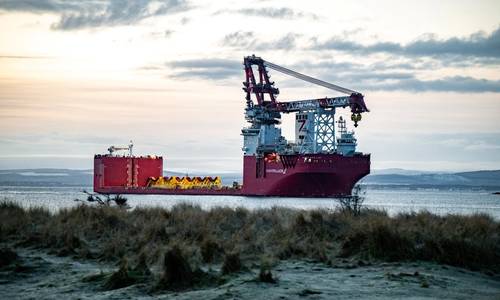
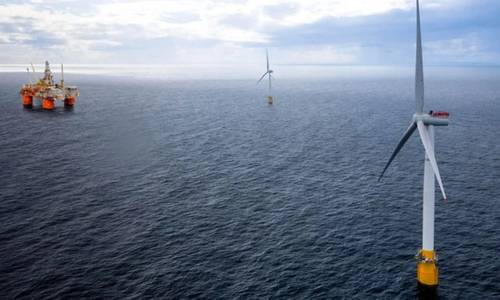
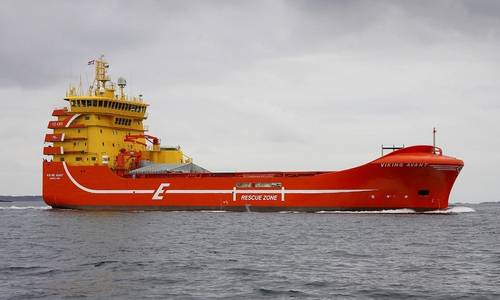
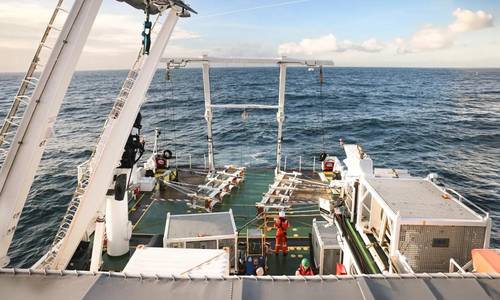
Offshore wind is a bad bet due to the complications of installing and maintaining infrastructure at sea and the high cost of transmitting electricity back to shore, NextEra Chief Executive John Ketchum said on Wednesday.
"It's very capital intensive," he said during an event at the CERAWeek energy conference in Houston.
U.S.-based NextEra is the world's largest producer of renewable power, with a focus on solar and onshore wind.
The administration of President Joe Biden is hoping to grow U.S. offshore wind power as part of its multipronged effort to decarbonize the economy to fight climate change. It has auctioned leases in federal waters. But most of the interest in those leases has so far come from European companies with years of experience in the offshore wind sector, which took off in Europe decades ago.
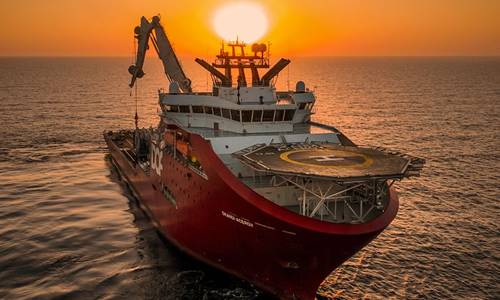
Ketchum said some of the industry's complications included salt water corrosion, the threat of hurricanes, the availability of ships and the installation of subsea transmission cables, and added that supply chain issues have driven up the costs.
"We find it hard enough just to take care of a fleet onshore with some of the issues that we deal with as a company, and we're best in class," he said.
Ketchum said NextEra expects its power generation capacity - excluding its regulated utility Florida Power and Light - to grow dramatically in the next few years, from around 25 gigawatts now to around 70 gigawatts in 2026.
"And that installed capacity is going to come from renewables only," he said.
He said the company's plans assume huge advancements in battery storage technology needed to provide power to the grid when the sun is not shining and wind is not blowing. Batteries for power storage currently only last around four hours.
"You're going to see significant innovations that come to market for the next, I'd say, five to seven years that are going to dramatically change how we think about batteries," he said.
He said the electric vehicle industry was driving much of the innovation in batteries.
Ketchum said the Biden administration's Inflation Reduction Act, which provides some $370 billion in incentives for clean energy, was a significant boost to the industry and that NextEra was well-placed to take advantage of it because of the company's scale.
Despite having the largest renewable power fleet, Ketchum believed natural gas would play an important role in generation until storage technology improves.
"I mean it's just putting your head in the sand to believe that the energy transition that this country is embarking on will work without natural gas power generation."
(Reuters - Reporting by David French; Writing by Simon Webb; Editing by Rich Valdmanis and David Gregorio)