China’s Five-Year Plan Focuses on Oil Stability, Gas and Reserves Growth
March 5, 2026
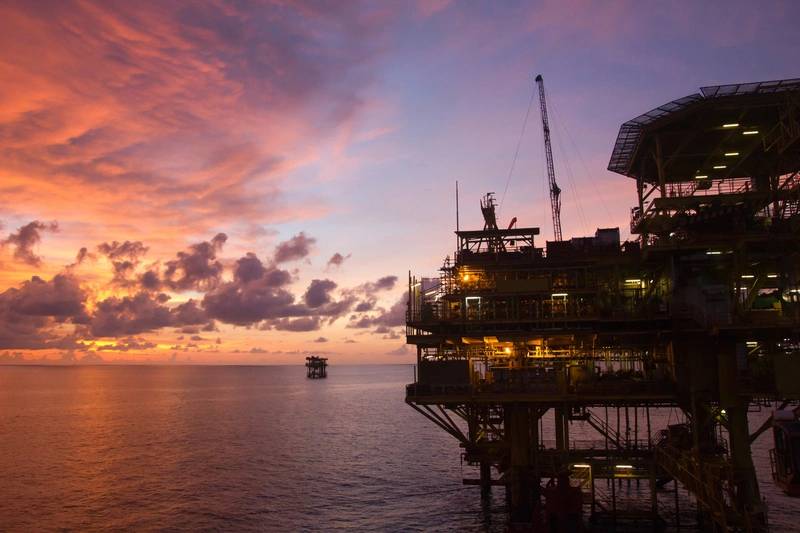
China set an annual oil output target of 200 million metric tons (4 million barrels per day) in its next five-year plan on Thursday, a level it already surpassed last year, as the country also pledged to expand the size of its undisclosed strategic oil reserves.
The target extends the goal set by China’s National Energy Administration in 2022 to lift output to 200 million tonnes by 2025. It is lower however than last year’s record 216 million tonnes, reached after a seven-year campaign to reverse falling production.
The decision to set a target that prioritises maintenance over growth points to the growing difficulty of pumping more oil in a country where mature wells are drying up, newer ones are deeper and more costly, and the nascent development of shale oil resources proves geologically challenging.
Output is peaking as consumption is set to do the same. China also pledged in the plan to hit peak domestic oil consumption by 2030, a drive helped by the rapid electrification of cars and trucks across the country.
However on gas production China is still pushing for growth, with the 2026-2030 plan calling for steady growth through 2030 although it gave no figures.
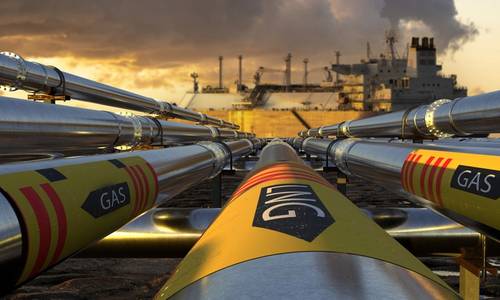
The plan also said it would advance "early work" on the Power of Siberia 2 gas pipeline that links Russian gas fields with northern China via Mongolia.
China will boost coal-to-gas and coal-to-oil production capacity and technology reserves during 2026–2030, compared with the previous five-year plan, which focused on planning and regulating the sector.
Stockpiling
China has spent years growing its strategic oil reserves and flagged it intends to continue doing so over the course of the next five years.
The plan said China would expand its national oil reserves and build significant oil reserve projects without providing details.
Beijing closely guards the size of reserves, but analysts estimate it at around 900 million barrels, or just under three months of imports.
Any new projects would come on top of the expansion or construction of reserve capacity across at least 11 sites over 2025 and 2026 first reported by Reuters last October.
(Reuters - Reporting by Sam Li and Lewis Jackson; Additional reporting by Chen Aizhu; Editing by Clarence Fernandez, Alexandra Hudson)