DNV Calls for Stronger AI Assurance in Energy Grids
May 14, 2026
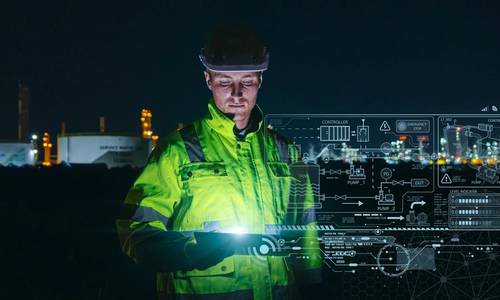
DNV, the independent expert and assurance provider, has launched a new position paper on managing artificial intelligence (AI) system risk stating that digital trust would be critical to safely scaling AI across energy networks as power systems become increasingly automated and data-driven.
The position paper, Managing AI system risk within energy networks through digital trust, focused on managing AI system risks in energy infrastructure, warns that wider adoption without clear governance and assurance frameworks could create operational and regulatory risks.
The paper said AI and advanced analytics were increasingly influencing how energy networks plan, operate and invest as electrification, decentralization and renewable energy integration increased system complexity.
DNV said digital trust was needed to ensure AI-enabled systems behave predictably, remain under control and align with public-interest outcomes throughout their lifecycle.
“AI is becoming integral to how energy networks run but scaling it without assurance creates new and very real risks. Digital trust is what allows operators to deploy AI with confidence - knowing systems will behave as expected, remain under control and deliver outcomes that regulators and customers can rely on,” said Hari Vamadevan, Senior Vice President and Regional Director for UK and Ireland, Energy Systems at DNV.
The company said concerns around data quality, governance and AI model behavior continued to slow deployment of AI systems beyond pilot projects.
DNV also highlighted the need for structured AI assurance, monitoring and governance as operators increasingly deploy digital technologies in safety-critical energy infrastructure.
“Ultimately, the energy transition will have to be digital, but it will only succeed if it is trusted. Digital trust turns AI from interesting analytics-driven automation into trusted and resilient cyber-physical infrastructure that can deliver real benefits to consumers such as fewer disruptions, lower costs, faster decarbonization, and a power system that works more predictably,” added Graham Faiz, Head of Digital Energy, UK and Ireland, Energy Systems at DNV.